Why running is fast becoming the most popular way to exercise

Why running is fast becoming the most popular way to exercise

Does running work?


With a reported 2m people running in the UK and an estimated 10m in the US, the activity is on the rise, and fast becoming the most popular form of exercise.
Running fits as snuggly into modern life as an eager foot into a plush pair of new trainers. It can be done alone and in almost any environment. As a solitary activity, there is no need to work around other people’s schedules. There are no courts, pitches, nets, bats, rackets or hoops necessary. You can just put on your shoes and go. It feels like the most natural way to exercise, but it has not always been this way. And it is not only these practicalities that motivate us.
Although running has a complicated history, we know that jogging as a “palliative to sedentariness” first took off in the 1960s. Since then it has become a huge business with the athletic shoe industry alone worth tens of billions of dollars.
Before the jogging revolution, though, it was a distinctly niche activity. The few people that did it had probably been to one of the more affluent schools. A quick leaf through the periodicals of the nineteenth century, such as Bell’s Life in London, and Sporting Chronicle, confirms it was a sport for gentlemen (and sometimes for the hustlers that conned them).
I have covered this more extensively in my research, but loosely defined, “sport” has been recorded since the beginning of documented history (The Epic of Gilgamesh from 3,500 years ago recounts scenes of wrestling and hunting) and it has been a regular mainstay of literature since then. But, exercise, as we might recognise it, being movement for the purposes of maintaining physical health, only becomes common as recently as the early nineteenth century.
We can see it in Jane Austen novels. Fanny in Mansfield Park is forever “knocked up” on the sofa as the result of a good walk, but exercise is mostly a pastime for the daughters of gentry, for whom the competition inherent in sport would not be appropriately gendered behaviour. Austen also uses the idea of exercise and movement to pass judgement on her characters: generally, those who over-indulge in it are villainous or not to be trusted, and those who possess more moderate appetites for it are usually our hero or heroine. The finest walker in Austen is Pride and Prejudice’s Elizabeth Bennet, who seemingly strikes just the right balance when she arrives at Netherfield with flushed cheeks and muddy skirts to visit her sister – surely, the Georgian equivalent of a trail run.
By the nineteenth century, then, exercise emerges as an activity commonly seen around the leisured classes. Without physical work, their bodies wither and weaken, so must be exercised. Which is where the inventors came in.
In 1797, the Monthly Magazine announced a new patent for Francis Lowndes’s Gymnasticon, the earliest of static exercise machines. The magazine explained that it may be of use “when peculiar or sedentary occupations enforce confinement to the house”.
The Gymnasticon. An antidote to peculiar occupations. 

Public domain
Whenever I have displayed this image at a talk, it is guaranteed to make the audience laugh. It seems such an undignified contraption. But how different is it to, say, a cross-trainer?
Austen’s suspicion of exercise seems to hold true for us today. People will run in parks, but won’t do aerobics workouts in them. P.G. Wodehouse was right in his first Blandings novel, Something Fresh (1915), in which he explained that anyone who wished to exercise outdoors in London had a choice: either give up, “or else defy London’s unwritten law and brave London’s mockery”. But if exercise is degrading why, as every year goes by, are there more runners?

Not to be mocked

The answer is that you only have to put on a TV to see that sport is respected worldwide, but exercise is not revered in the same way. And I think that running is popular because it has its feet in both camps of sport and exercise. It is a permissible public activity because of its associations with sport (unlike Zumba or Body Pump, for example).
The industrial revolution has swept away most of our forests and green spaces, and in doing so changed completely our ways of working, leaving us desperately searching for the easiest means to exercise because it is no longer a part of our working day, but an addition to it.
The number of runners will only continue to increase in the coming years, as austerity bites and convinces us to work ever longer hours, over more days. In rejecting our lethargy, we will continue to look to the easiest, cheapest and most accessible and enjoyable activity that we can. Running remains just about the only intense aerobic activity that does not require you to brave London’s mockery.
And, it’s terrific fun.
4 things that happen to your brain and body when you exercise

4 things that happen to your brain and body when you exercise


We all know it's important to exercise.
The CDC recommends adults get two and a half hours of moderately intense activity — like briskly walking or riding a bike — each week.
But finding the time and energy to do it can be a struggle: Nearly 80% of adults don't meet these basic fitness goals.
You might be familiar with the physical benefits of regular workouts, but the psychological ones are equally important.
Regular exercise may help with everything from boosting your mood to improving your sleep schedule. Keeping these in mind could help push you to hit the gym a little more frequently.
Here are some of the biggest psychological benefits of exercise, which we compiled using research from the Association for Applied Sport Psychology (AASP):
1. It lifts your mood.
Research has shown that regular exercise can help give your mood a boost. Several recent studies suggest that, whether you lift weights or go for a run, working out can help reduce anxiety and improve overall mental health.
A recent study of 8,000 Dutch people between ages 16 and 65 found that, in general, people who exercised regularly "were more satisfied with their life and happier than non-exercisers at all ages,” the authors wrote in their paper.
The American Psychological Association (APA) has also said that exercising can help make you feel happier — and in some cases the results can be felt pretty quickly. “The link between exercise and mood is pretty strong,” Boston University psychology professor Michael Otto told the APA. “Usually within five minutes after moderate exercise you get a mood-enhancement effect."
2. It reduces stress.
The CDC recommends weight training major muscle groups at least twice per week.
Working out can help reduce overall stress levels, as well as improve your ability to cope with and respond to mentally taxing situations. 
"Exercise may be a way of biologically toughening up the brain so stress has less of a central impact," said Otto.
3. It boosts your confidence.
In addition to lifting your mood, regular exercise can also help support a healthier body image, according to a growing body of research.
Whether it's a result of physically changing your body or being proud of completing a set amount of exercise, the positive effects of establishing a workout routine can translate into increased self-satisfaction, the AASP reports.
4. It helps you sleep.
And as we all know, more sleep means more energy throughout the day. And regular workouts can help you keep a regular sleep schedule.
A recent study of young people found that those who worked out intensely in the evenings slept better than their peers who didn't work out or who worked out less intensely. The ones who exercised more vigorously also tended to fall asleep faster, wake up fewer times throughout the night, and sleep more deeply than those who exercised less vigorously.
Where's hot in June? Holidays to take now and plan ahead

Where's hot in June? Holidays to take now and plan ahead

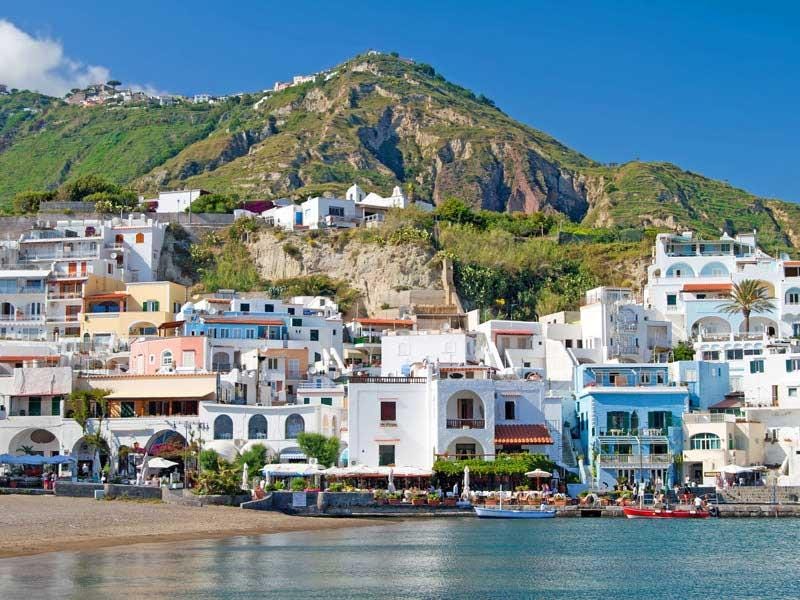
Ischia


With Turkey, Egypt and Tunisia crossed off many holidaymakers’ lists, bookings to Spain have leapt by nearly 40 per cent over last summer’s figures. That’s in spite of a tourism tax that will be imposed on visitors to the Balearic islands from 1 July. But although travel agents warn of a European holiday shortage this summer, there are still some prime choices available in June.

Go now

Italy
Perennially popular Italy hasn’t been slacking either, thanks to a winning combination of top-class cities – Rome, Venice, Florence – and its sublime landscapes ranging from alpine lakes to volcanic Sicily. As bookings to the Amalfi Coast have shot up by 30 per cent from last summer and accommodation is being snapped up quickly, consider a more tranquil break on the nearby island of Ischia. ExperttoItaly (expertoitaly.com; 020-7520 3100) offers a week’s half-board at the Garden Villas Resort near the village of Lacco Ameno, with the beach at San Montano and the Negombo thermal spa a short walk away. Prices start at £750pp throughout June and including transfers but not flights to Naples.
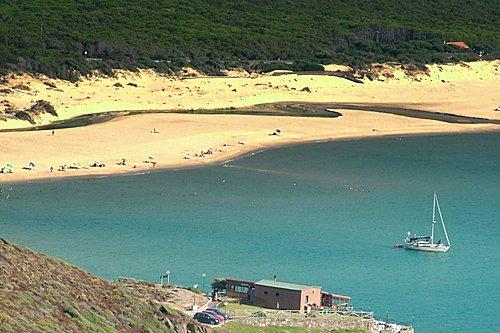
Sardinia's Costa Verde
Inntravel (inntravel.co.uk; 01653 617001) has a self-guided walking holiday in Sardinia, for which demand is surging. A seven-night walking holiday on the south-western Costa Verde, which includes the Unesco-listed Piscinas sand dunes, costs from £775pp until 12 June, including half-board and luggage transfers. Flights are extra.
Portugal
Vintage Travel (vintagetravel.co.uk; 01954 261431) is reporting a surge in bookings to the Algarve of 30 per cent since last summer, but there’s still an opportunity to bag a holiday at its new addition, Casinha Goa. This two-bedroom villa is in the fishing village of Ferragudo on the banks of the River Arade, with the beach of Praia Angrinha just a short walk away. The villa features a roof terrace with a plunge pool, and costs from £795 for a week starting 4 June.
Mauritius
While European football fans will be gripped by Euro 2016, Mauritius will be hosting the World Club 10s Rugby tournament on 18-19 June featuring teams including Saracens and Toulon. Co-host Beachcomber (beachcombertours.co.uk; 01483 367946) offers seven nights’ half-board at Le Mauricia Hotel from £1,080pp departing 14 June, including flights, transfers and rugby tickets

Book now

Mountain air
The usually hedonistic ski resort of St Anton in Austria will have a more zen-like air when it hosts the outdoor Mountain Yoga Festival from 1-4 September. Inghams (inghams.co.uk; 01483 371217) has a week’s half-board here at the Hotel Alte Post from £838pp, including flights and transfers, departing 31 August.
733c2e7eb66b43cf4bc594f893c61bae_l.jpg
St Anton Mountain Yoga Festival
Autumn colours 
Don’t follow the crowds to New England to see the autumn colours in all their glory. Instead, head north of the border to Canada and quieter Quebec, where the display is just as vivid. Wexas Travel (wexas.com; 020-7590 0635) offers a 10-day self-drive tour taking in Montreal, the Laurentian mountains, Sacacomie Lake and Quebec City. Costing from £1,975pp and based on departure dates from 15 September to 21 October, it includes flights, accommodation, city tours and car hire.
Low season delights
September is one of the mellowest times to visit Greece, with warm temperatures and few crowds. Combine beaches and mountains in lushly forested Thassos, the most northerly of the Greek islands. A week’s self-catering in the Mikro Kazaviti apartments in the pretty village of Kazaviti with Sunvil (sunvil.co.uk; 020-8568 4499) costs from £752pp, including flights, transfers and car hire, departing 16 September.

St Eustatius: treasure hunting in the Caribbean

St Eustatius: treasure hunting in the Caribbean

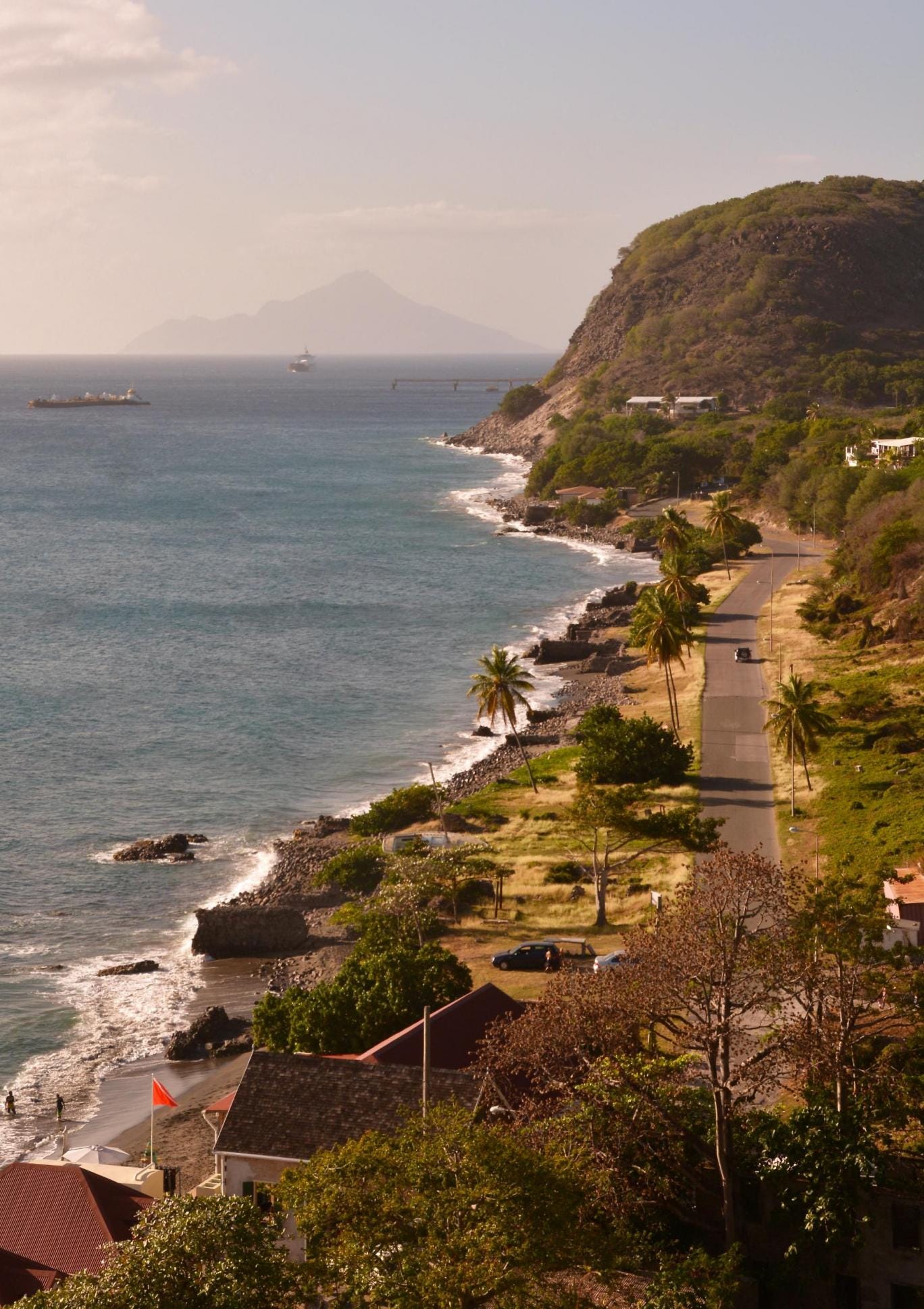
Statia's coastal road Amy Dean

Around mid-point along the volcanic arc of Caribbean islands that stretches from Florida to Venezuela, lies the largely forgotten nation of Sint Eustatius. Today it is overshadowed by neighbouring St Kitts, Antigua and the Virgin Islands, but this tiny island of just over 8.1 square miles once played a disproportionately large role in the fate of both Europe and the newborn United States of America.
While many people are unfamiliar with Sint Eustatius, a special municipality of the Netherlands more commonly known as Statia, those who have heard of it tell me, “there’s nothing to do there. It’s small – you’ll get bored within a day.” I take this as a challenge.
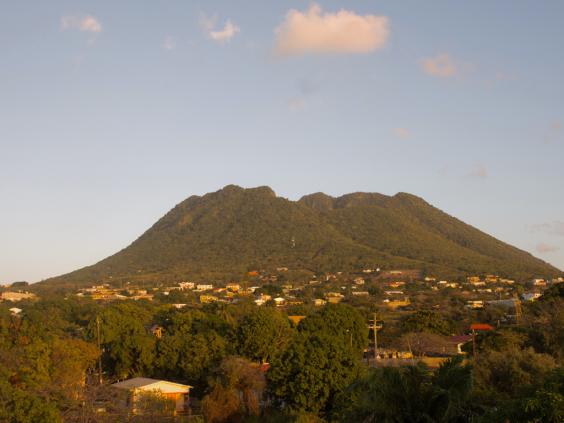
Its riches are first suggested to me while I’m pulling on my hiking shoes to climb the Quill, Statia’s dormant volcano that dominates the island’s skyline. “There’s treasure in the crater, you know,” says my host Win Piechutzski. “What kind?” I ask. “Valuables the Dutch landowners hid in caves when they knew the English were coming.” He replies with just a hint of a glare.
Statia certainly carries great promise of treasure through its history of wealth and conflict. With little rain or land to support plantations, it became a trading post for goods, raw materials and slaves between the Americas, Africa and Europe in the late 17th century and was at one time the world’s busiest seaport. The island became phenomenally wealthy and European nations, principally the Dutch, British and French, vied regularly for control of it. It has changed hands 22 times throughout its history.
My initial ascent of the Quill is through rather uninspiring scrub and dry woodland. Statia’s population boom to over 12,000 people at the height of its wealth in the 18th and early 19th centuries (it is now just over 3,000) forced landowners to clear far up the slopes, destroying the biodiversity. But when I reach the rim and look down into the crater, it’s a dramatically different landscape; the interior is swathed in dense forest.
After scrambling down the steep path to the bottom of the crater a broad path appears, leading me past giant ficus trees that spread their tentacle-like roots across the forest floor. Their leaves create a high canopy that, with the stillness of the air, creates a church-like feel. I follow the path around the inside of the crater, lit by an ethereal green light as the tropical midday sun filters through the leaves. To either side of the path is impenetrable undergrowth – it’s no wonder the treasure remains hidden.
That afternoon I explore Statia’s only town and capital, Oranjestad, in the company of the island’s director of monuments, Walter Hellebrand. Our first stop is Fort Oranje, where he tells me Statia’s best-known story. In 1774 the British had become increasingly annoyed with Statia’s role in supplying the restive states in North America with munitions. They encouraged the Dutch West Indies Company to ban the trade, which they duly did. Statia, however, ignored them.
Fort Oranje was the first to recognise a United States vessel (Shutterstock)
“This is the period when the economy of Statia really went crazy,” says Hellebrand. “We supplied the American revolution with everything it needed, from cloth to guns.” The final straw for Britain came on 16 November 1776, when a naval vessel flying the flag of the newly declared United States of America arrived in Statia’s port and fired an official salute to greet the Dutch flag.
“The Commander of the fort asked Statia’s governor, Johannes de Graaff, what he should do.” says Hellebrand. “The governor ordered that he should salute in return.” This was the first formal acknowledgement of American independence by a sovereign nation.
Plaques adorn Fort Oranje, now a peaceful viewpoint sheltered by a large mango tree. They tell of visits by The Daughters of the American Revolution and even President Roosevelt, who the airport is named after, to thank Sint Eustatius for its role in the birth of their nation.
After a little pressing however, Hellebrand admits that governor De Graaff had no idea what flag he was looking at and had ordered the salute to hide his ignorance. 
The largely stone-paved streets of Oranjestad are lined with small gingerbread-fringed houses dating from as early as the 17th century and interspersed with reminders of the island’s former wealth; a ruined synagogue, large churches surrounded by imposing tombs of long-dead European noblemen.
I ask Hellebrand about the treasure in the Quill. A thorough historian, he is unable to let a good story get in the way of the truth. “There is absolutely no evidence that anybody buried treasure in the Quill”, Hellebrand says ruefully, “But it does have a hidden past that for me is more interesting than buried treasure.”
The Quill was supposed to provide slaves with an escape route (Amy Dean)
“From at least the late 1700s” he continues, “there are reports of slaves running away and hiding in the crater of the Quill. Once there, they would chop down one of the big trees and carve out a canoe.” When the canoe was ready, the runaway slaves would wait until night and then drag it up the inside of the crater, down the other side and escape to British-owned St Kitts, where slavery had already been abolished.
Stories of treasure on Statia are not entirely apocryphal however. Divers are drawn to the island by its large number of shipwrecks. The most sought-after prize is one of the island’s renowned blue beads, which were principally used to barter for slaves in the 17th century. Legend has it that once you find a bead beneath the waves, you belong to Statia and are destined to visit the island time and again.
I found no bead, or indeed any other kind of treasure during my visit, but Statia itself proved rare and remarkable. Unlike many caribbean towns, all of Oranjestad’s historic buildings are lived or worked in by ordinary Statians, and it’s rare to bump into another tourist on the island.
Since the recent tourist surge in Cuba after the island’s thawing of relations with the US, Sint Eustatius is now one of only a handful of Caribbean islands that remains untouched by mass tourism. Despite its size, it has enough history, nature and underwater adventure to satisfy any independent traveller looking to find the real Caribbean. Far from being bored within a day, I extended my stay and left with the firm resolve to return, blue bead or none.

Travel essentials

Getting there
Sint Eustatius can be accessed from St Martin on Win Air (fly-winair.sx). KLM (0871 231 0000; klm.com) flies to St Martin from a range of UK airports via Amsterdam.
Staying there
Accommodation is sparse on Statia. The writer stayed at Kings Well Resort, which is within easy walking distance of Oranjestad’s centre. Doubles start at US$120 (£82) per night including breakfast (kingswellstatia.com).
Germany Euro 2016 squad: Marco Reus omitted as Bastian Schweinsteiger makes the cut

Germany Euro 2016 squad: Marco Reus omitted as Bastian Schweinsteiger makes the cut

Marco Reus Getty


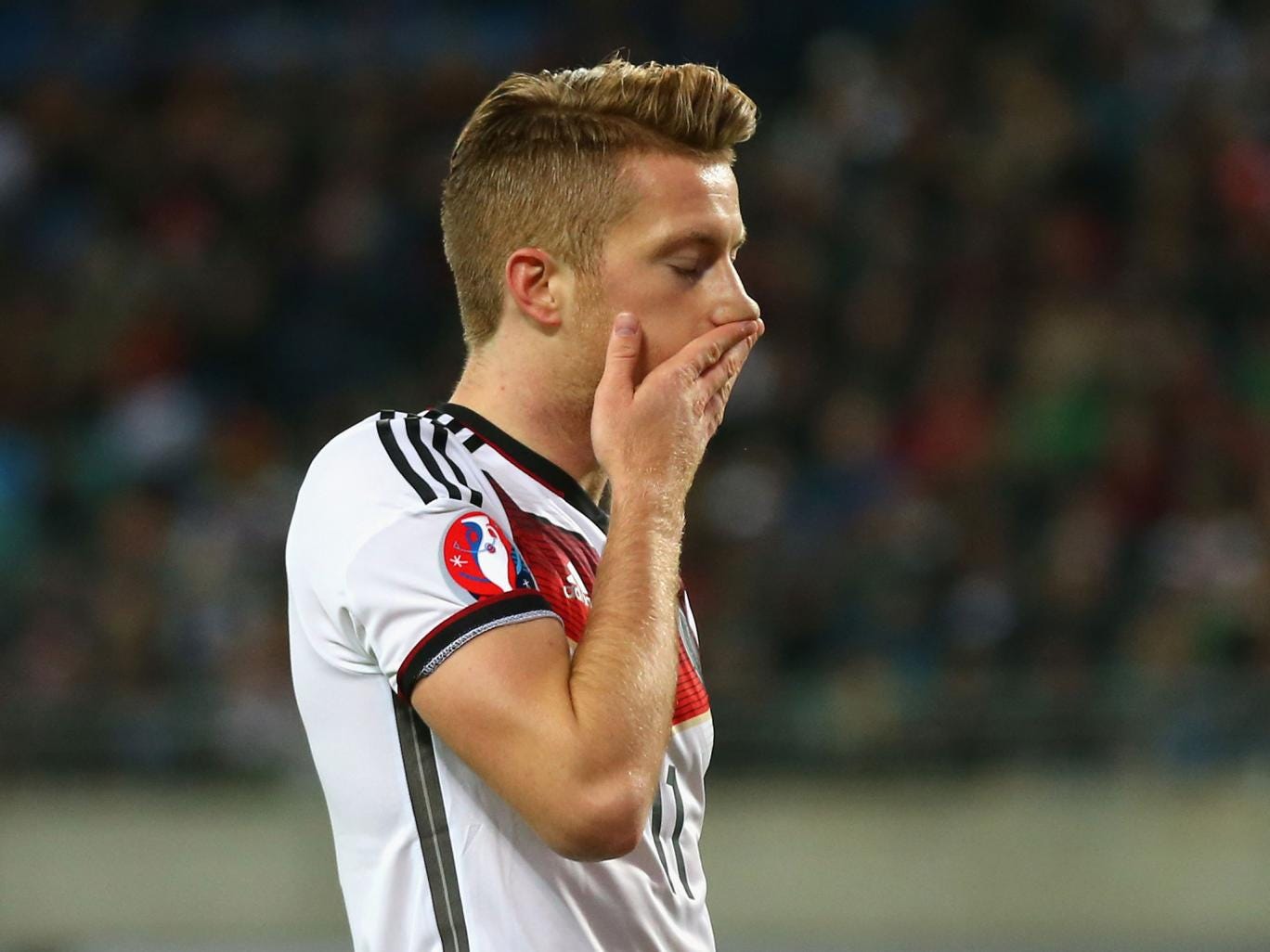
German superstar Marco Reus has been omitted from his nation's 23-man Euro 2016 squad while Manchester United midfielder Bastian Schweinsteiger has made the cut.
Germany coach Joachim Low said the decision to exclude Reus, one of Germany's most exciting players, was because the Borussia Dortmund midfielder has "massive health problems". Going into more detail Low explained that the mysterious injury means Reus "can only run in a straight line".
Given the strains of potentially six weeks of action in France, Low said he simply could not take the risk and include the midfielder, who also missed out on the 2014 World Cup because of injury.
"With Marco Reus, the situation is the doctors cannot give me any definite forecast," Low said at a press conference.
"Marco has serious health problems. At the moment, he can only run in a straight line.
"The doctors are sceptical that he will be fully fit in the coming weeks and with these demanding games.
"Therefore, it's a bitter decision for us and for him, and disappointing for everybody - he would have been a huge enrichment for us."
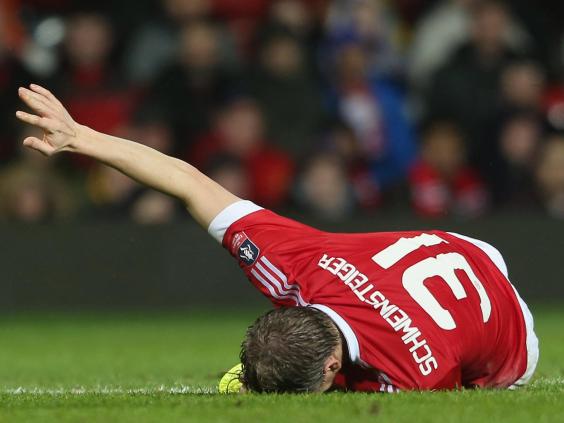
Meanwhile room was found in the 23-man squad for Schweinsteiger, the Manchester United midfielder who has made just six appearances this year because of ongoing injury problems. 
"The doctors have confirmed that Bastian and Mats Hummels are both going to be fit to play," reported Low.
Bastian Schweinsteiger missed much of Manchester United's season (Getty)

Karim Bellarabi, Julian Brandt and Sebastian Rudy were also sent back from Germany's training camp in Ascona, Switzerland.
Germany's first group game is against Ukraine on June 12 in Lille.
Germany squad for Euro 2016:
Goalkeepers: Manuel Neuer (Bayern Munich), Bernd Leno (Bayer Leverkusen), Marc-Andre ter Stegen (Barcelona)
Defenders: Jerome Boateng (Bayern Munich), Mats Hummels (Borussia Dortmund), Shkodran Mustafi (Valencia), Benedikt Howedes (Schalke), Jonas Hector (Cologne), Emre Can (Liverpool), Antonio Rudiger (Roma)
Midfielders: Bastian Schweinsteiger (Manchester United), Sami Khedira (Juventus), Mesut Ozil (Arsenal), Toni Kroos (Real Madrid), Mario Gotze (Bayern Munich), Thomas Muller (Bayern Munich), Julian Draxler (Wolfsburg), Leroy Sane (Schalke), Andre Schurrle (Wolfsburg), Joshua Kimmich (Bayern Munich), Julian Weigl (Borussia Dortmund)
Forwards: Lukas Podolski (Galatasaray), Mario Gomez (Besiktas)
Pierre-Emerick Aubameyang to Arsenal: Gabon team-mate Daniel Cousin backs Borussia Dortmund star for Gunners

Pierre-Emerick Aubameyang to Arsenal: Gabon team-mate Daniel Cousin backs Borussia Dortmund star for Gunners


Pierre-Emerick Aubameyang should join Arsenal to link-up with Mesut Özil, the Premier League assist record-breaker, according to his international team-mate Daniel Cousin.
The Gabonese Borussia Dortmund striker is rumoured to be considering his options at the Westfalenstadion, promting reports linking him with a lucrative switch to England.
Aubameyang, 26, scored 39 goals in all competitions last season to fire Dortmund up to second in the Bundesliga, restoring their place in the Champions League in the process.
Despite chief executive Hans-Joachim Watzke branding the speculation as “all nonsense” it is reported that Arsenal and Manchester United retain an interest in the powerful forward.
Quizzed on who Aubameyang should join if indeed he does elect to leave, Cousin told theBBC World Service: “Arsenal, because the team play very well but the team need another striker to win the title. 
“And I think if he plays with Mesut Özil, he will give good assists. I think he can play very well with this team.”
Upon agreeing new a new five-year contract at Dortmund 12 months ago, Aubameyang said: “It was not for nothing that I prolonged my contract until 2020. It was a conscious decision. 
“I can even imagine staying here for longer, even though I would like to play in Spain one day. “In football, however, you never really know what will happen. 
“Fundamentally, I feel so good here that I could not imagine a nicer place for me right now.”
Isis face likely defeat in battles raging across Iraq and Syria - but how will power be shared between the victors?

Isis face likely defeat in battles raging across Iraq and Syria - but how will power be shared between the victors?

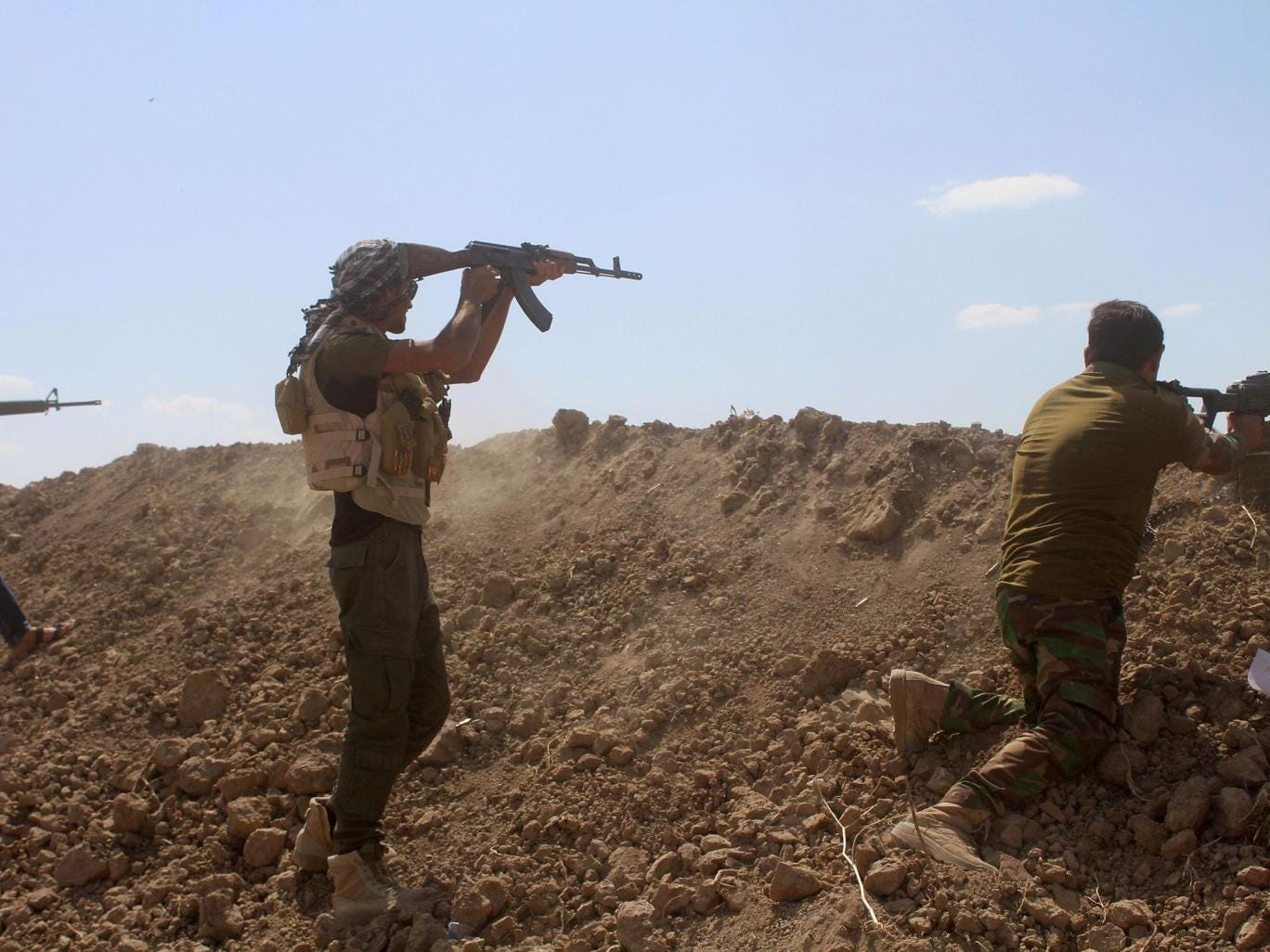
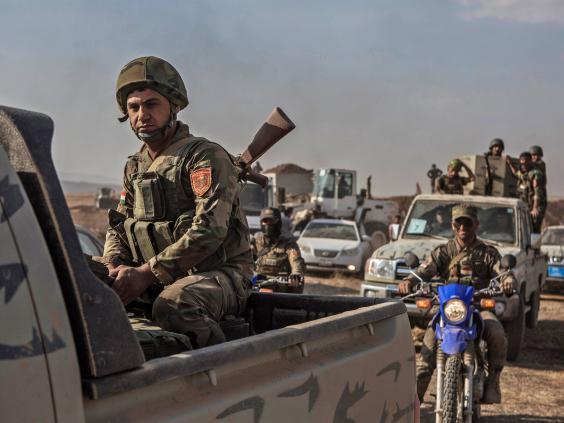
Pro-government forces bid to take back ground from Isis in Fallujah MOADH AL-DULAIMI/AFP/Getty Images


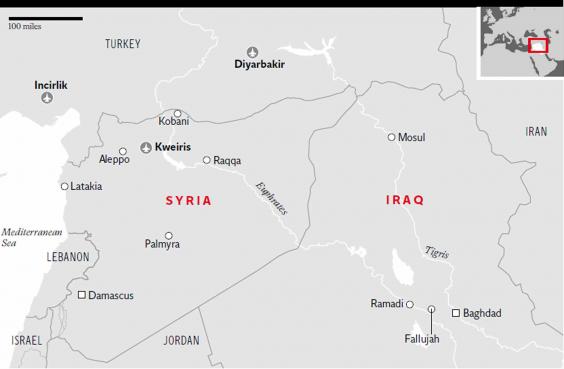
Isis is under attack in and around the last three big cities it holds in Iraq and Syria – Fallujah, Mosul and Raqqa. It is likely to lose these battles because its lightly armed if fanatical infantry, fighting from fixed positions, cannot withstand air strikes called in by specialised ground forces. They must choose between retreating and reverting to guerrilla war or suffering devastating losses.
It is two years since Isis launched itself on the world by capturing Mosul, the second largest city in Iraq, though it had already taken Fallujah 40 miles west of Baghdad at the start of 2014. In its first campaigns, its ability to achieve surprise by using mobile columns of vehicles packed with experienced fighters was astonishingly effective.
It had developed these military techniques in the years of warfare that followed the US invasion of Iraq in 2003, first fighting the Americans and later the Iraqi army. Its menu of tactics combined ideological fanaticism with a high degree of expertise and rigorous training, and was distinguished by the mass use of suicide bombers, snipers, IEDs, booby traps and mortar teams.
Atrocities highly publicised through the internet terrified and demoralised opponents even before Isis fighters appeared and go a long way to explaining why an Iraqi army, far superior to Isis in numbers and equipment, broke up and fled when Isis attacked it in Mosul in 2014.
But these tactics no longer work as well as they once did. All the armies battling Isis are trained to eliminate suicide bombers before they get close enough to kill. Isis can still recruit young men – and occasionally women – willing to die, but these days they seldom inflict mass casualties among enemy soldiers as they used to do.
Last weekend, six suicide bombers attacked the front line between Mosul and the Kurdish capital, but although they all died blowing themselves up or were killed before doing so, they only succeeded in wounding a single Kurdish Peshmerga. Like the Japanese Kamikaze pilots who attacked US and British ships in 1944-45, suicide bombers are achieving diminishing returns against better prepared defences.
Peshmerga advancing towards Mosul in the past few days are accompanied by excavators to dig trenches immediately in front of their forces as soon as possible so bombers cannot reach them with vehicles full of explosives. Unfortunately, suicide bomber are still able to slaughter civilians in great numbers by attacking undefended targets such as markets, pilgrimages, checkpoints and hospitals.
Kurdish Peshmerga forces move into Mufti village, east of Mosul, after it was recaptured from Isis earlier this week (EPA)

Mr Hussein says that if the caliphate falls, “Isis will transform from a terrorist state into a terrorist movement”. It will be weakened by not having secure bases for training but it will not evaporate or be replaced by moderate Arab Sunni politicians who claim great influence on their own community and are well-financed by foreign powers.
In Syria, a more likely successor to Isis would be the Syrian branch of al-Qaeda, Jabhat al-Nusra, which has been growing in popularity among Sunni Arabs. Though ideologically similar to Isis in its Salafi-jihadi fundamentalist beliefs, Nusra is presenting itself as a less maniacal alternative to Isis and one that can probably count on a measure of support from Turkey and Saudi Arabia.
Sunni Arabs as a whole have every reason to feel under threat. The great majority of the five million Syrian refugees come from Sunni Arab opposition areas. In Iraq they were reduced to holding a few enclaves in Baghdad in the 2006-7 sectarian bloodbath – “islands of fear” in the words of a US diplomat the time, a description that now fits almost every Sunni population centre in the country.
The governor of Kirkuk, Najmaldin Karim, toldThe Independent that there were 500,000 Internally Displaced Iraqis (IDPs), mostly Sunni Arabs who have sought refuge in his province. He ticks off why they cannot go home: they are banned from Diyala province north-east of Baghdad for sectarian reasons by the authorities there, from mixed communities in Salahudin province though they can go to districts that are wholly Sunni while Anbar is still too dangerous.

It may be that the enemies of Isis are dividing the lion’s skin before checking that it is truly dead or close to dying. The territorial losses of Isis may look impressive on a small scale map of Iraq and Syria, but what is impressive when driving outside the borders of the caliphate is how big it remains.
It has the advantage that its enemies are wholly disunited and detest each other almost as much as they hate Isis, if not more so. Turkey has failed to close Isis’s last access to the outside world west of the Euphrates and has prevented the Syrian Kurds doing so. Isis may be weakened, but its opponents are also fragile. The latest limited offensive by the Kurds to take back villages on the Nineveh Plain east of Mosul showed that these days they have the upper hand, but in reality the attack was delayed several days because some of the troops taking part had not been paid their salaries. The economy of the Kurdistan Regional Government area is in ruins.
Isis is good at selecting vulnerable targets, in this case rebel groups backed by the US and Turkey in the north of Aleppo province who control the towns through which the rebel side of Aleppo used to be supplied. Isis fighters have been driving them backwards in recent days, gaining control over a larger section of the border and reinforcing their hold on the fertile and heavily populated countryside of north Aleppo province.
The Syrian army does not look as strong as it did when it was getting greater support from Russian air strikes and drove Isis out of Palmyra. Isis has been fighting back, capturing an important gas field and targeting civilians in cities famous for their loyalty to President Bashar al-Assad on Syria’s Mediterranean coast.
In both Iraq and Syria, Isis is responding to military pressure by the mass slaughter of civilians, killing some 148 and injuring in the Syrian coastal cities of Tartus and Jableh and another 198 in a week of bombings in Baghdad. The purpose of these massacres is to show that Isis has not lost its strength and can still strike anywhere, while at the same time hoping to force Syrian and Iraqi regular forces to leave the front line to defend their civilian populations. It is an effective strategy that has generally worked in the past.
One of the many problems about ending the war is that many of the players have an interest in seeing it continue. Why, for instance, are there offensives against Isis by the Kurdish authorities and the Baghdad government this week? There are many reasons, but one important motive is that President Barzani and Iraqi Prime Minister Haider al-Abadi are presenting themselves as fighting Isis whole their local political opponents are demanding reform of corrupt and dysfunctional governments. “The main reason people here in Kurdistan are quiet and not protesting about the collapse of the economy and in their standard of living is that they are afraid of Daesh [Isis],” said a Kurdish businessman this week. President Assad benefits from having an enemy so monstrous as to rule it out as an alternative to himself and therefore secure him in power. Isis is a very convenient enemy for many of those fighting it, which may be one reason why it is so difficult to defeat.
iPhone 7: Apple to drop 16GB storage option for new handset, fixing controversial small size

iPhone 7: Apple to drop 16GB storage option for new handset, fixing controversial small size

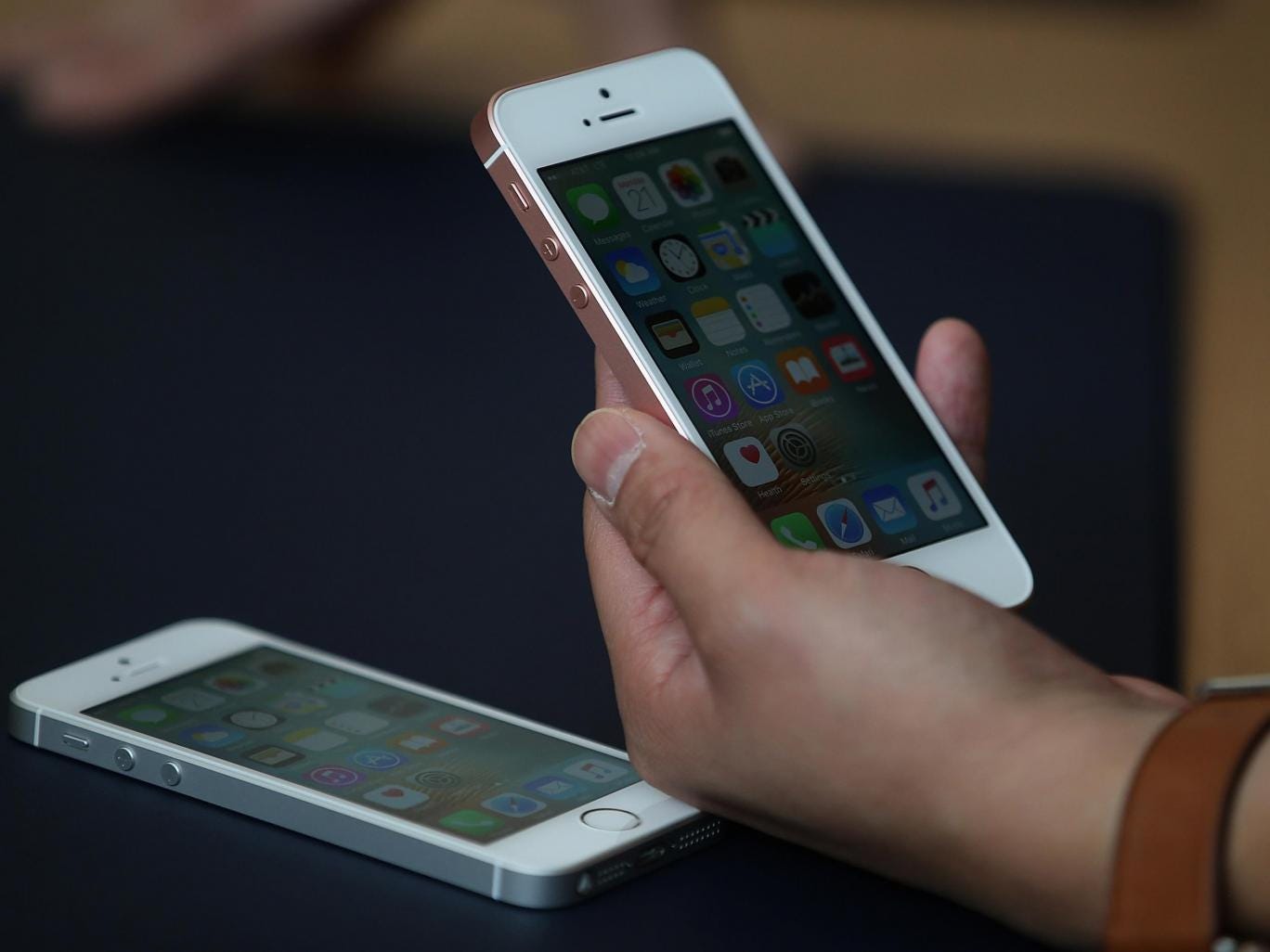
An attendee inpsects the new iPhone SE during an Apple special event at the Apple headquarters on March 21, 2016 in Cupertino, CaliforniaGetty


Apple could be about to change the thing that winds people up most about the iPhone.
The lowest storage option might finally get an upgrade from 16GB to 32GB, helping people avoid running out of space and having to delete things.
The company has said that people should save space by using the cloud or upgrading to Apple’s more expensive handsets. But it looks to finally be about to respond to people’s complaints about the small storage option and upgrade its minimum storage amounts.
The company has long offered 16GB phones as its lowest storage option in every new phone. The model is much hated, since people tend to opt for it to avoid spending on extra storage – and then find themselves without space to store their photos and music.
But now it will upgrade that cheapest model to 32GB, according to a post from an IHS Technology analyst that claims to be based on knowledge of Apple’s supply chain. The company has had success with previous iPhone leaks in the past, predicting the new iPhone SE before it was released.
Apple has gradually been upgrading the maximum amount of storage that it offers in its phones, releasing the first iOS devices with 256GB of storage this year. And it has at the same time been offering easier ways of filling up that space, including the introduction of 4K video recording with the newest iPhones.
It isn’t clear how the rest of the line-up will come together in terms of storage. At the moment, Apple offers the iPhone 6s in 16GB, 64 GB and 128 GB sizes – and one of the reasons it is thought to keep it around is because it can sell people on upgrading to 64GB for around $100.
The iPhone 7 is otherwise thought to keep a design largely the same as the existing iPhone 6 and 6s. But it is rumoured to include new features including a dual-camera setup for better photos and the removal of the headphone jack.
Samsung smart TVs to start putting ads on top of things people are watching

Samsung smart TVs to start putting ads on top of things people are watching

A display of S' UHD 4K TV from Samsung are seen at the Consumer Electronics Show, January 8, 2015, in Las Vegas, Nevada Getty Images


Samsung is quietly adding ads onto its smart TVs to try and boost revenues – even after people have bought the sets.
The company has already added new “tile ads” to the menus in its premium internet-connected televisions. It is planning to roll out that feature across Europe.
The move will even affect existing smart TVs since they can be updated with a software update, over the internet.
The ads sit on the TVs’ home screen, alongside the normal apps like YouTube or Netflix, and link out to external content. As such they are likely to prove unpopular among users, and might also draw the attention of regulators and networks.
It comes after Samsung last year got drawn into controversy over a policy that appeared to allow its TVs to listen in on everything people said in their living rooms. It said after that storm that the policy had been clumsily written.
Increasing the number of ads will help Samsung increase its revenues even after people have bought their TVs. Though Samsung already has some deals in place, like taking part of the revenues from people watching Netflix on their TVs, it has struggled to generate revenues on top of the money it gets from selling hardware.
The move is being made to try and counteract slowing growth in the TV industry, according to the Wall Street Journal, which first reported the news. Though Samsung is dominant in that market, selling 20 per cent of units according to analysts, it is declining because it is largely saturated.
TVs also provide small profits because the markup on them is so low, according to analysts. Generating extra revenue from other services could help the company make back some of that money that has been lost because of low-cost Chinese televisions.
Samsung did not initially respond to a request for comment.
WWDC 2016: Everything Apple is expected to announce at its biggest software event of the year

WWDC 2016: Everything Apple is expected to announce at its biggest software event of the year

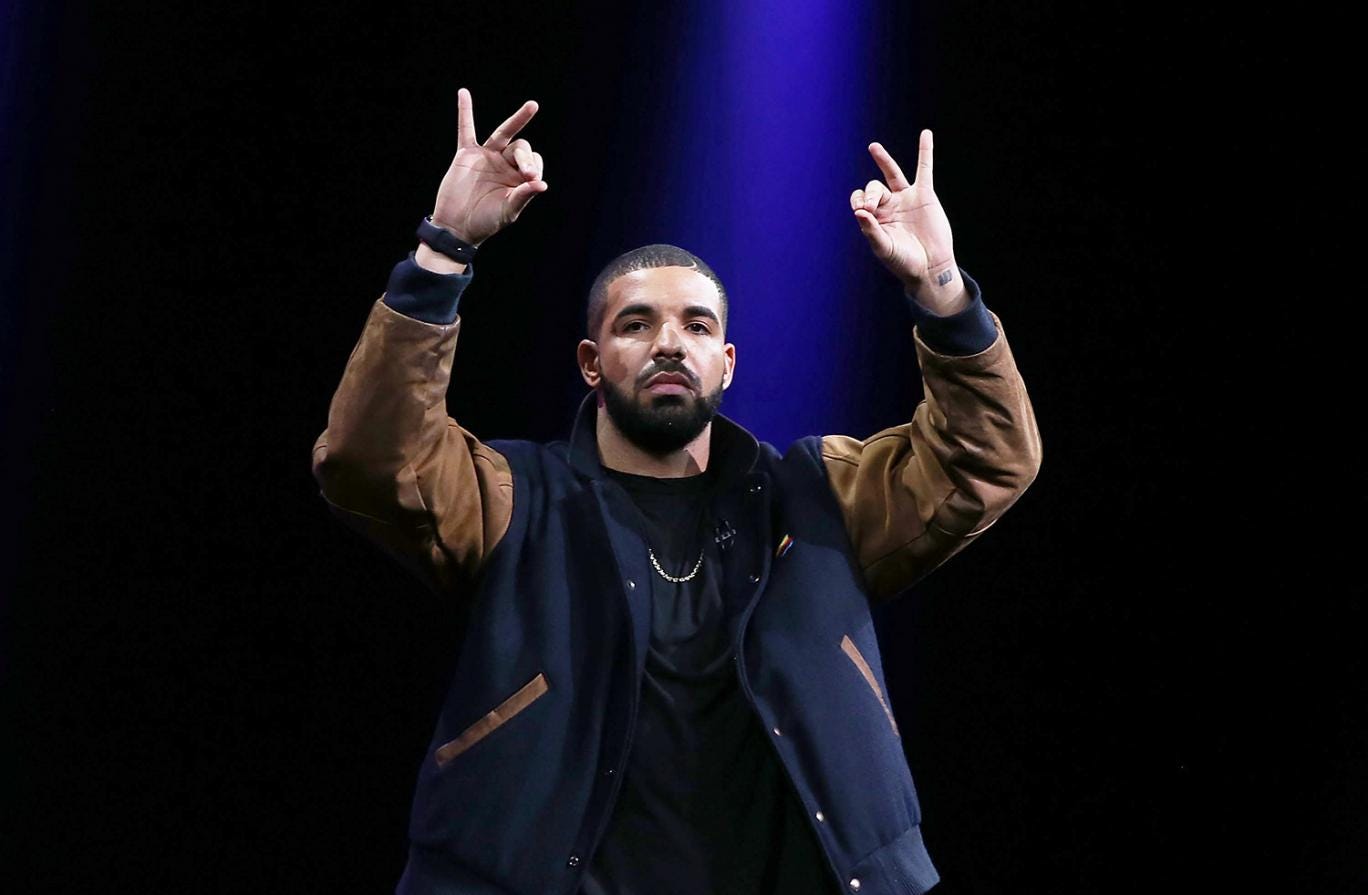
Drake appears at last year's WWDC, as part of the launch of Apple Music – a product that's about to be completely overhauled Getty


Apple is set to hold its biggest software event of the year, WWDC, in the middle of June. It’ll use the San Francisco event to show off all of the software that’s on its way to your Watch, phone and other computers – as well as potentially new Apple devices.
The event comes at a big time for Apple. The company is fresh off the back of its first quarter of decline since the iPhone came out, and is feeling the heat from other companies like Google.
It will intend to use WWDC as a way of showcasing the software and potentially other products that it hopes will prove its doubters wrong and get the company to grow again.
The announcement – on the morning of 13 June, in San Francisco– will include updates to the software powering iPhones, iPads, Macs, and Apple TV. It will also include updates to Apple’s services, a growing area, such as a complete re-design of Apple Music.
 And it’s expected to bring new hardware, too. That might include new MacBook Pros – and potentially wholly new products like a Siri speaker.
Whether or not that product actually appears, it’s likely to be a marker of the uniting theme of many of the announcements. Almost all of the rumours so far point to a heavy showing for Siri – which will receive major updates on all platforms, as it looks to take on competitors like Amazon’s Alexa and Google Now.

iOS 10

With the growth of the iPhone, this is the most exciting moment of the event for many people. It offers a chance to see how your iPhone is going to change come the autumn – and sometimes offers a hint of what the new handsets might look like, too.
And many of the features are expected to be built around Siri. That will include, for instance, opening up the voice assistant so it can be used to trigger things in other apps – you’ll be able to ask the digital butler to send a message through WhatsApp rather than the Messages app, for instance.
Elsewhere, iOS will benefit from changes with other technologies, including the opening up of Apple Pay to allow payments between people and a redesign of Apple Music.

Siri for your house

The one rumoured new kind of product is a version of Siri for the home, taking on Amazon’s Echo and Google’s newly-announced (but not yet released) Home speaker.
Apple is almost certainly working on such a product, but it’s unclear whether it will actually arrive in time for WWDC. Apple may choose to trail it but announce it later in the year – or wait for another event, like the reveal of the iPhone later this year.
Macs might also get new ways of talking to iPhones and Apple Watches. That could include the addition of Apple Pay, which would allow people to make purchases using their phone’s fingerprint scanner, and unlock their computer in the same way.
And they too will benefit from other changes across the Apple line, including changes to services like Music.

Apple Watch

The Apple Watch was first unveiled in September 2014, and came out in April last year. Since it’s the first generation, it’s impossible to say how often Apple is going to refresh its wearable – but it’s been a while since the last one.
Rumours have suggested that Apple might bring a camera to the Watch, as well as potentially adding its own internet connection so that it can work without a phone. It’s also almost certain that Apple will bump up the insides, making the Watch faster and more efficient.
Either way, it’s almost certain that the Watch will be getting new software, with watchOS 3.0. That’s likely to bring more autonomy to the Watch, allowing it to do more without the phone.

Apple Music

The streaming music service was only revealed at WWDC last year, but Apple is rumoured to be revamping and re-designing the whole thing as it looks to shift more towards services.
That is likely to strip back the quite complicated version of the app at the moment and make it far simpler, with fewer colours and different screens.
Those updates are likely to come with the new versions of iOS and macOS in the Autumn.

New MacBooks

Apple hasn’t updated some of its laptops – the MacBooks Air and Pro – in any major way for some time. Both are due an update, and the latter has been widely rumoured.

    If the new MacBook Pro does arrive, then it has been suggested that it might feature new features like a special screen at the top of the keyboard that can adapt to whatever the computer’s doing, and a fingerprint sensor that can be used to more quickly unlock it.

    Kategori

    Kategori